Tree Roots and Sewer Lines: What Vermont Homeowners Need to Know in 2026
Tree roots invading sewer lines are one of the most preventable plumbing problems Vermont homeowners face. Residents throughout Chittenden County, including those seeking sewer cleaning in Colchester, VT, deal with this issue more often than people realize. Vermont's climate and landscape make sewer line root intrusion a year-round concern worth understanding.
How Tree Roots Enter Your Sewer Line
Tree roots do not bore through solid pipe. They find their way in through existing vulnerabilities. Roots naturally seek moisture and nutrients, and a sewer line offers both. When any tiny crack or loose joint exists in a pipe, roots will exploit it and grow inward.
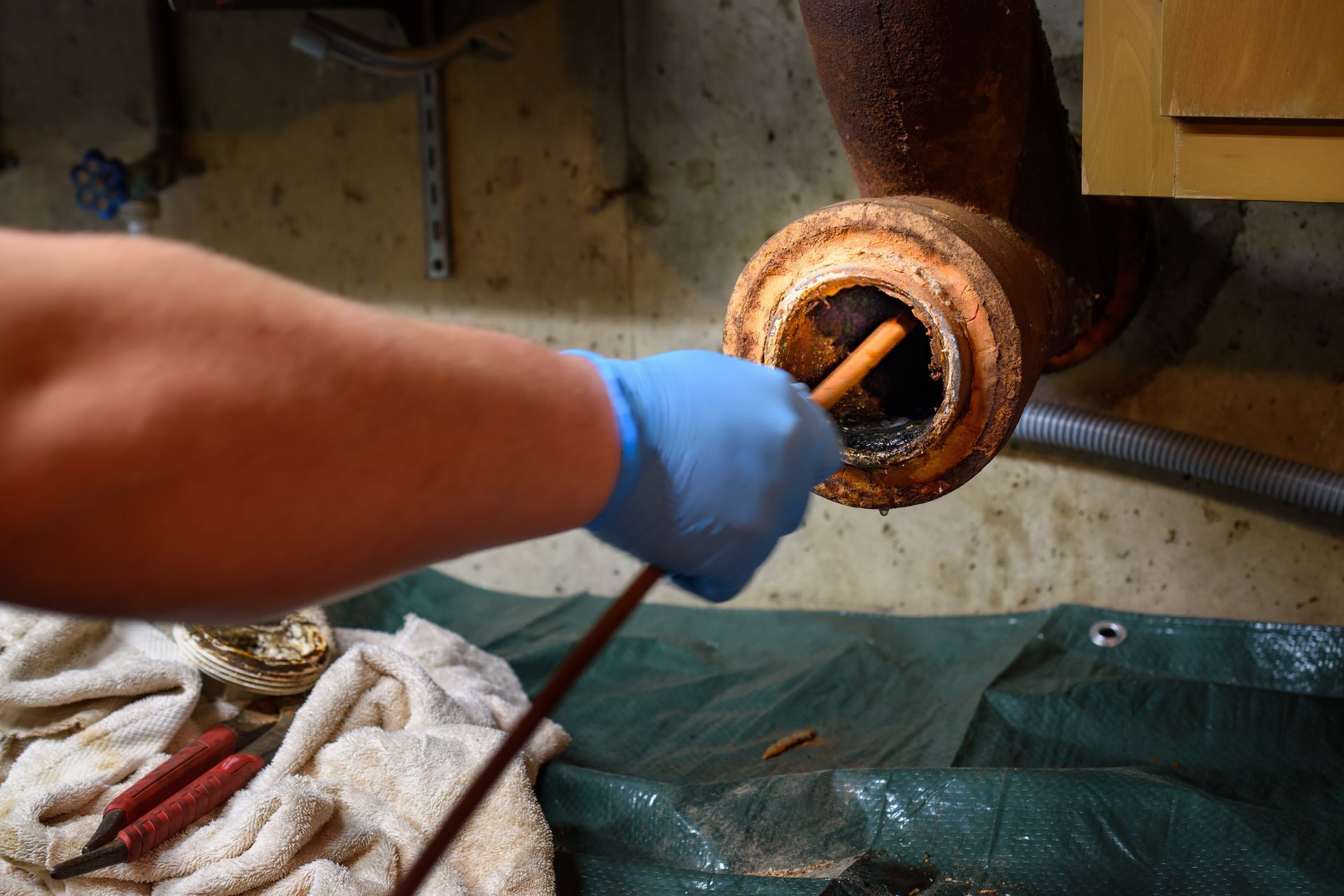
Once inside, roots expand in the nutrient-rich environment. Over time, a thin feeder root grows into a dense mat that snags grease, toilet paper, and debris, reducing flow to a trickle or causing a complete backup.
Roots cannot create cracks on their own. If roots are inside your pipe, a crack or joint failure already existed before they arrived. The tree is a symptom, not the original cause.
Vermont Soil and Tree Species Make This Worse
Vermont's freeze-thaw cycle is a major risk factor for Colchester-area homeowners. Chittenden County experiences repeated freezing and thawing throughout winter. As soil freezes, it expands and pressures buried pipes, particularly older clay or cast iron lines. When soil thaws and contracts, it can shift pipe joints apart or widen hairline cracks, creating entry points for roots in spring.
Homes built before the 1970s in neighborhoods like Malletts Bay and near Colchester Center often have original clay sewer laterals. Clay pipe can last many decades, but its joints are its weak point. Decades of Vermont winters work those connections loose until the seal fails. Scheduling sewer cleaning in Colchester, VT, before small root intrusions become full blockages is one of the smartest maintenance decisions older-home owners can make.
Vermont's native tree species compound the risk. Several trees common to Colchester yards are among the worst offenders:
▸ Willows are notorious moisture-seekers whose roots can travel dozens of feet toward pipe joints.
▸ Silver maples have shallow, aggressive root systems that readily invade utility lines.
▸ American elms and poplars are also known to infiltrate drain pipes and cause blockages.
▸ White ash and river birch pose moderate risk when planted close to sewer lines.
If you have any of these species growing within 30 to 50 feet of your sewer line, the risk of root intrusion increases significantly.
Warning Signs Every Colchester Homeowner Should Know
Root intrusion rarely announces itself dramatically at first. It starts quietly and worsens over months or years. Watch for these warning signs:
▸ Drains that are slow throughout the house, not just one fixture.
▸ Gurgling sounds from toilets or floor drains after using sinks or running the washing machine.
▸ Sewage odors from drains or unusually green, soggy patches in your yard.
▸ Recurring clogs that return weeks after clearing.
▸ Sunken spots in the lawn along the path of your sewer line.
Any one of these signs warrants a closer look. Multiple signs together suggest root intrusion may already be underway. At that point, professional sewer cleaning in Colchester, VT, is often the fastest way to restore normal flow and assess the extent of the damage.
What Should I Do if I Suspect Root Intrusion?
A camera scoping inspection is the most reliable way to confirm what is happening inside your pipe. A camera fed through the line provides a real-time view of root growth, cracks, joint separation, or blockages, so you know exactly what you are dealing with before committing to any repair.
Can I Handle Root Removal Myself?
Store-bought chemical root killers rarely solve the problem and can damage older pipe materials. Mechanical removal using professional equipment is the right approach. A professional crew can use high-velocity water jetting or electric auger equipment to clear even stubborn root masses safely. For homeowners who want results they can count on, sewer cleaning in Colchester, VT, performed by an experienced local company is the practical choice.
Prevention Tips for Vermont Homeowners
A few practical steps can reduce your risk considerably:
▸ Plant aggressive species like willows, silver maples, and poplars at least 30 to 50 feet from any sewer line.
▸ Choose smaller ornamental trees such as serviceberry or dogwood for areas close to the house.
▸ Schedule a camera inspection if you have never had one and live in a pre-1980 Colchester home.
▸ Consider annual or biennial
sewer drain cleaning if mature trees grow near your lateral. Routine sewer cleaning in Colchester, VT, removes early-stage root growth before it becomes a blockage.
When the Problem Requires Repair, Not Just Cleaning
Cleaning removes roots already inside the pipe. It does not fix the underlying crack or joint failure that let them in. If your inspection reveals collapsed sections, severe joint separation, or a sag in the line, cleaning alone may not be enough, and a more involved repair or replacement becomes necessary.
Catching the problem early keeps options open. A small crack addressed in spring may need only a localized repair. A line ignored for years may require more extensive work.
Get Expert Help Serving Colchester, VT
P&P Septic Service has been serving the greater Burlington area and Chittenden County since 1978. Whether you need sewer cleaning in Colchester, VT, for a routine maintenance visit or a full camera inspection after noticing warning signs, the team has the equipment and experience to help. If you have noticed any of the warning signs above, or simply want peace of mind about the condition of your lines, reaching out is a smart move.
Contact the team to schedule an inspection or cleaning, or call
(802) 658-6243 to speak with someone directly. You can also find reviews at
P&P Septic Service. Protecting your sewer line now is far less expensive than replacing it later.